
Home Medication Management

Medication Management
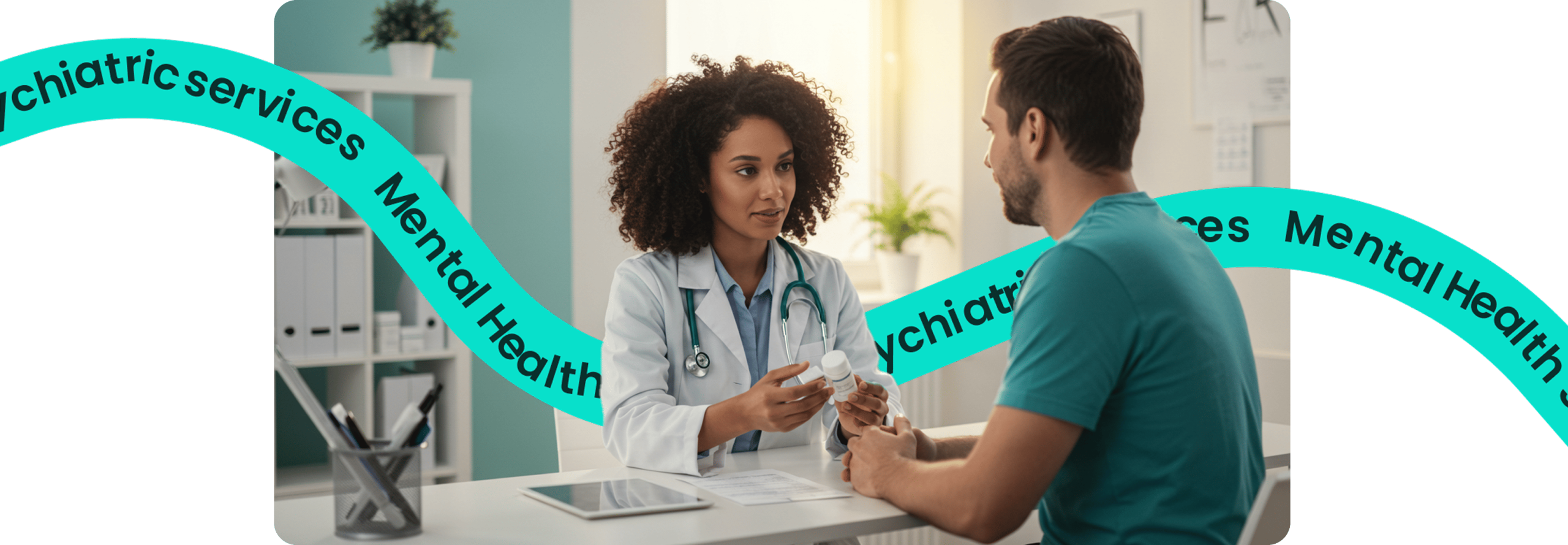

Professional oversight of your medications to maximize treatment effectiveness, minimize side effects, and improve your overall quality of life.

Medication Management Solutions in Good Health

Psychiatric Medication Management

This outpatient care includes assessing the patient’s need for medication, issuing prescriptions, and ongoing supervision by a licensed psychiatrist to ensure effectiveness and safety.

Our Approach to Medication Management

Our approach to medication management is both moderate and conservative. We place a strong emphasis on collaborating closely with our patients, ensuring that the medication chosen aligns precisely with their individual health requirements. In this cooperative relationship, we dedicate ourselves to developing the most effective treatment plan, consistently overseeing and fine-tuning the therapy as needed.

Our comprehensive strategy not only involves the integration of medication therapy with psychotherapy but also embraces all seven dimensions of wellness, ensuring a holistic approach to mental health. This method allows us to address not just the symptoms but the overall well-being of our patients, considering factors like emotional, physical, and social health in our treatment plans.

Medication Management Process Steps

Understanding the key stages of Medication Management helps in managing mental health effectively. From the initial assessment to long-term support, each step is tailored to individual needs for the best possible outcome.

Psychiatric evaluation

As part of medication management, your mental health specialist conducts a thorough assessment of your medical history and all medications—including prescriptions, supplements, and over-the-counter drugs—to ensure their appropriateness, effectiveness, safety, and adherence to meet clinical goals.

As part of a psychiatric evaluation, the specialist also looks for other symptoms not included in the psychiatric history. This facilitates an accurate primary diagnosis and the selection of an appropriate treatment plan. It is important to assess further psychiatric or medical comorbidities and not just focus on the current symptoms.

01

Developing a mental health care plan

The psychiatrist identifies gaps in current medication therapy and creates a personalized treatment plan with recommended adjustments to optimize clinical outcomes. The plan is shared with the patient or caregiver for approval.

The mental health specialist will provide medication management services throughout the course of treatment, and they will keep track of all the steps and the progress made towards the patient’s objectives for mental health intervention. The specialist will also be proactive in addressing side-effects from the medication.

02

Ongoing assessments

Follow-up visits are essential to assess progress, adjust medications, and ensure treatment stays aligned with clinical goals. Care is coordinated across the team, with shared awareness of patient-specific objectives.

Medication management services is a process, not a one-time event. Throughout treatment, it’s critical to keep an eye on a patient’s mental health issues because they may evolve. Feedback is provided to the patient to reinforce motivation if psychiatric symptoms are decreasing. However, if there is no improvement, adjustments will be made to medication and therapy.

03

Medication Management Benefits

Personalized and Effective Treatment

Each treatment plan is individually designed to align with the patient’s unique needs, reducing the likelihood of underdosing, adverse effects, and ineffective outcomes.

Ongoing Collaborative Care

Patients receive continuous support from a team of mental health professionals, ensuring treatment stays effective as conditions or goals change.

Better Outcomes, Lower Costs

Effective medication management leads to improved clinical results and can help reduce long-term healthcare expenses.

FAQ

What are the goals of medication management?

Medication management is a vital component of comprehensive psychiatric care. Its primary goal is to ensure that prescribed medications are safe, effective, and tailored to each patient’s individual needs, reduce symptoms, and improve overall functioning. Medication management also supports patients in engaging more effectively in therapy and other aspects of their recovery process.

How do I know if I need medication management?

Medication management may be an essential part of your treatment plan if you’re experiencing persistent and significant mental health symptoms. These can include depression, anxiety, mood swings, obsessive or compulsive behaviors, disordered eating, psychosis, or chronic sleep disturbances. If these symptoms interfere with your daily life or functioning, a psychiatric evaluation can help determine whether medication could be a helpful part of your overall care.

Who is licensed to provide psychiatric medication management services?

Psychiatric medication management must be provided by licensed healthcare professionals. Psychiatrists—medical doctors (MDs or DOs) specializing in mental health—are authorized to diagnose conditions, prescribe psychiatric medications, and monitor their effects. In many states, psychiatric nurse practitioners (PMHNPs), physician assistants (PAs) with specialized training in psychiatry, are also licensed to prescribe and manage psychiatric medications. Patients should consult a qualified provider to determine the most appropriate treatment plan.

Why is mental health medication management important?

Proper medication management is a key part of effective treatment for many individuals with mental health conditions. Collaborating with a mental health professional helps determine whether medication is appropriate, ensures the correct dosage, and allows for monitoring of side effects and effectiveness. This personalized approach supports recovery, promotes emotional stability, and helps individuals return to normal daily functioning.

Can I discontinue my medication when I feel better?

It’s a common misconception that psychiatric medication can be stopped once you start feeling better. In reality, discontinuing medication without medical guidance can lead to a return of symptoms, worsening of your condition, or uncomfortable withdrawal effects. Always consult with your prescribing provider before making any changes to your medication plan. Your provider can help you determine if and when it’s appropriate to adjust or stop treatment safely.

What are the benefits of telehealth medication management?

Telehealth medication management offers a convenient and accessible way to receive psychiatric care. Finding time for in-person appointments can be challenging for many patients due to work, family, or transportation limitations. With telehealth, you can consult with your psychiatrist from the comfort of your home, reducing the need to commute or take time off. This flexibility can make it easier to stay consistent with treatment and improve overall care outcomes.