Home Medication Management

Long-Acting Injectable Antipsychotics Administered in NYC

For patients managing schizophrenia, schizoaffective disorder, MDD, bipolar I disorder, or other disorders, daily oral medication is often harder to sustain than it appears from the outside. Cognitive symptoms disrupt routines. Side effects get managed by skipping doses. Life intervenes. Non-adherence to oral antipsychotics is the most common cause of relapse. Long-acting injectable antipsychotics offer a clinically proven way out of that cycle. 

Good Health Psychiatric Services now administers long-acting injectable antipsychotics directly in-office at our Downtown Brooklyn location, serving patients across New York City. Our clinical team evaluates each patient individually to determine whether LAI antipsychotics fit their care plan and manages the full process, from the initial assessment through every scheduled injection appointment.

Long-Acting Injectable Antipsychotics Administered in a Clinical Setting

What Are Long-Acting Injectable Antipsychotics?

Long-acting injectables (LAIs) are antipsychotic medications formulated for slow, sustained release from an injection site into the bloodstream. Instead of swallowing a pill every day, a patient receives a single injection every two to four weeks – or, with some formulations, monthly. The medication is absorbed gradually from muscle tissue, maintaining a stable therapeutic level around the clock.

That pharmacological steadiness is the core clinical advantage. Oral antipsychotics create peaks and troughs in plasma concentration depending on when doses are taken, whether they’re taken with food, and whether doses are missed at all. Long-acting injectable medications eliminate that variability almost entirely.

The American Psychiatric Association’s practice guideline for schizophrenia treatment recommends LAI antipsychotics for patients who prefer this approach or have a history of poor or uncertain adherence, and experts suggest that patients with first-episode psychosis or early-stage schizophrenia may benefit most. Early use may actually improve long-term treatment response, not just adherence.

Conditions Treated with LAI Antipsychotics

Bipolar I Disorder with Psychotic Features

Risperidone long-acting injectable, in particular, has documented efficacy as an adjunct treatment in bipolar I patients who experience psychosis during manic episodes. A scheduled monthly antipsychotic injection can support mood stability between episodes without adding another daily medication to an already complex regimen.

Benefits of Long-Acting Injectable Antipsychotics

The benefits of long-acting injectable antipsychotics are well documented across decades of research. Here is what the clinical evidence and patient experience consistently show:

  • Fewer relapses: switching from oral antipsychotics to LAIs was associated with a 71% reduction in average hospital admissions and a 29% improvement in global functioning scores in a naturalistic study of schizophrenia patients. 
  • Reduced hospitalization risk: stable medication levels keep patients in their communities and daily routines rather than cycling through acute care
  • Less daily mental burden: no pill organizers, no reminders, no anxious self-monitoring about whether a dose was taken
  • Built-in clinical contact: every injection appointment is a touchpoint with the care team for monitoring, adjusting, and supporting overall treatment
  • Transparency in adherence: clinicians know with certainty whether medication has been administered, which improves treatment decisions
  • Simplified regimen: for patients managing multiple health conditions, removing a daily antipsychotic from the medication list reduces overall complexity

Not every patient is a candidate, and that is part of an honest clinical conversation. But for those who are, long-acting injectables consistently outperform oral medication on real-world adherence outcomes.

Long-Acting Injectable Antipsychotic Administration

Long-Acting Injectable Medications Available at Good Health Psych

Medication  

Brand Name   

Dosing Interval  

Primary Clinical Use 

Haloperidol decanoate   

Haldol Decanoate  

Every 4 weeks   

Schizophrenia, chronic psychosis

Fluphenazine decanoate   

Prolixin Decanoate  

Every 2–4 weeks  

Schizophrenia, psychotic disorders

Risperidone microspheres  

Risperdal Consta   

Every 2 weeks 

Schizophrenia, bipolar I adjunct

What to Expect from Injectable Antipsychotic Treatment at Our Practice

The Initial Evaluation

No patient starts LAI antipsychotics without a thorough intake assessment. The treating clinician reviews psychiatric history, current symptom burden, prior medication trials, and medical considerations. Patients transitioning from oral antipsychotics typically go through an overlap period – the oral medication continues while the injectable reaches therapeutic levels over the first few weeks.

01

antipsychotics injection process

The Injection Appointment Itself

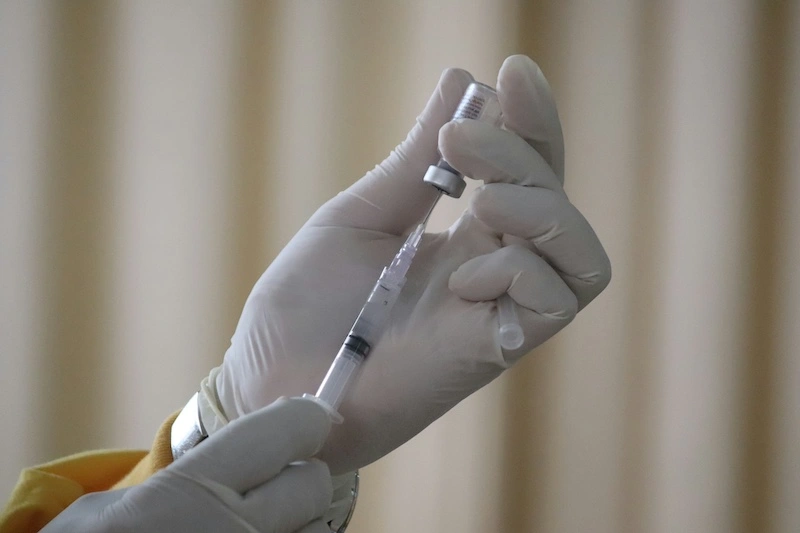
Haloperidol and fluphenazine decanoate are administered intramuscularly, typically into the gluteal or deltoid muscle. Risperdal Consta requires refrigeration and specific reconstitution, handled entirely by the clinical team. Appointments are brief – most patients complete the visit in 20 to 30 minutes. Patients new to injectable therapy may notice a gradual build during the first dosing cycle. This is expected, and the care team monitors for both therapeutic response and side effects throughout the adjustment window.

02

BCBS Mental Health Provider in Office

Scheduling, Monitoring, and Ongoing Care

Injection intervals are structured but not rigid. If a patient's schedule shifts or a dose needs a minor timing adjustment, the team works around it. Between injections, patients continue with therapy where applicable. Good Health offers same-day and next-day appointment availability, so if something comes up between scheduled injection visits, access is not a barrier.

03

Accessing Long-Acting Injectable Antipsychotics in NYC

Good Health Psychiatric Services is located in Brooklyn, NY, accessible from across Brooklyn, Manhattan, and Queens. The practice accepts most major insurance plans, including Aetna, Cigna, United Healthcare, Blue Cross Blue Shield, Healthfirst, MetroPlus, and Medicare, among others.

Prior authorization is commonly required for antipsychotic injectable medications, depending on the insurance plan. The administrative team handles those authorization requests directly – patients are not left navigating that process on their own.

For patients already receiving care at Good Health, adding injectable therapy to an existing plan is straightforward. New patients begin with an intake evaluation; same-day appointments are often available. 

To ask about whether long-acting injectable antipsychotics are right for you or a family member, call (718) 522-3600 or request an appointment online. Our providers speak English, Spanish, Mandarin, Arabic, Russian, Ukrainian, Polish, Hindi, and Urdu, so language is never a barrier to getting care.

FAQ

Who is a good candidate for long-acting injectables?

Patients with schizophrenia, schizoaffective disorder, or bipolar I disorder who have relapsed due to missed doses – or who find daily oral medication difficult to sustain reliably – are often strong candidates for LAI antipsychotics. The American Psychiatric Association supports their use for patients with a history of poor or uncertain adherence. The final determination is always made by the treating clinician after a full evaluation.

How is a monthly antipsychotic injection different from a daily pill?

The active ingredient is often the same, but the delivery format changes everything about how it works in practice. A monthly antipsychotic injection uses an oil-based or microsphere formulation that releases medication slowly over weeks, producing stable blood levels rather than the peaks and troughs of daily oral dosing. The result is more consistent symptom control with fewer adherence-related gaps.

What are the main benefits of long-acting injectable antipsychotics compared to oral medications?

The primary benefits of long-acting injectable antipsychotics are improved adherence, reduced relapse frequency, lower hospitalization rates, and the elimination of daily pill management. Research consistently shows significantly better real-world outcomes for patients who are good candidates and receive appropriate clinical support alongside their injections.

Will my insurance cover long-acting injectable medications at Good Health Psych?

Most major insurance plans cover FDA-approved long-acting injectable medications. Prior authorization is commonly required. Good Health’s administrative team assists with obtaining authorization to avoid delays in starting treatment.

Can I continue therapy alongside injectable antipsychotic treatment?

Yes, and it is encouraged. Antipsychotic injectable medications address pharmacological stability, but psychotherapy, psychosocial support, and regular psychiatric follow-up remain essential parts of a complete care plan. Good Health offers psychotherapy services and telepsychiatry alongside in-office injectable administration.

What happens if I miss a scheduled injection?

Missing an injection is less immediately critical than missing a daily pill – some medication remains in the system from the previous dose – but it should be rescheduled as soon as possible. The care team will advise on timing and whether any bridging with oral medication is needed in the interim.