Home Services
Psychopharmacology
Psychopharmacology Psychiatry Services
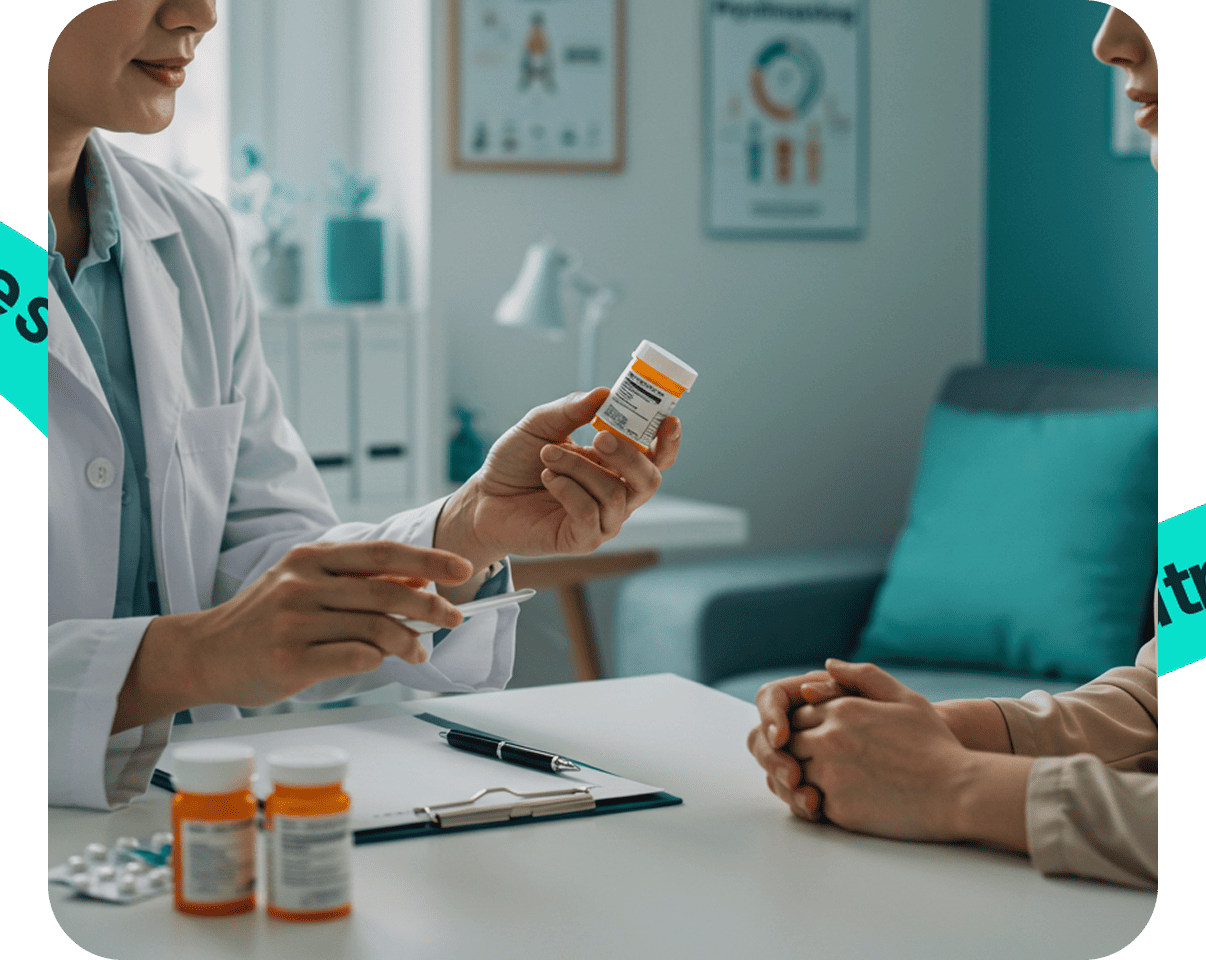
We provide comprehensive psychopharmacology treatments across New York, as well as Florida, New Jersey, and Pennsylvania. Our expert team tailors care to a wide range of mental health conditions, including depression, anxiety, PTSD, bipolar disorder, and schizophrenia, ensuring personalized treatment and ongoing support for each patient.
What Is Psychopharmacology
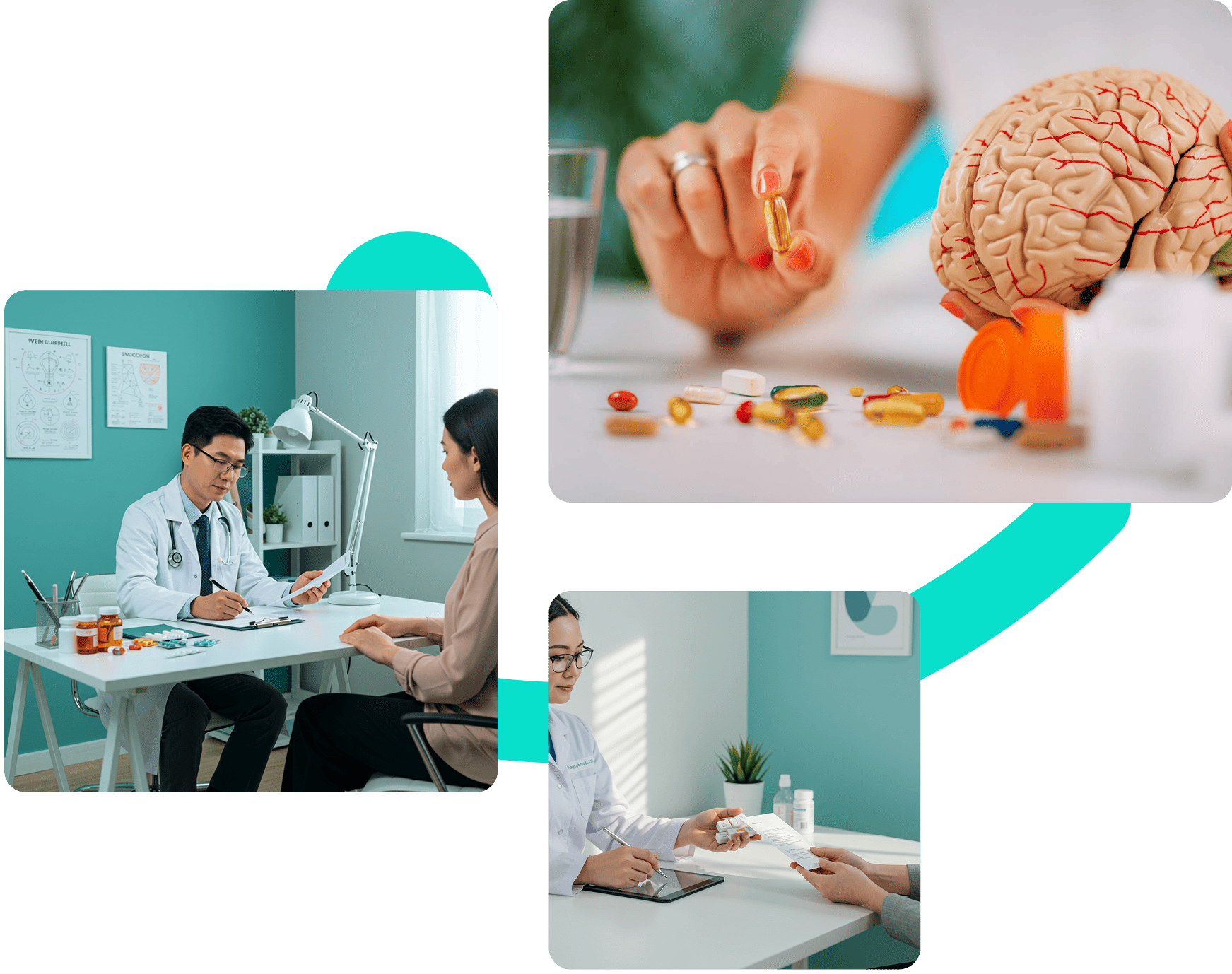
Psychopharmacology is the science of using medication to treat various mental health disorders. This practice involves the careful prescription of drugs designed to correct imbalances in brain chemistry, benefiting those suffering from psychiatric conditions.
Our services at Good Health Psychiatric include not only the prescription of these medications but also meticulous monitoring of their dosages and effectiveness. As a patient receiving psychopharmacology treatment with us, you will benefit from expert guidance in medication management.
most common disorders treated with psychopharmacology
Depression
Persistent sadness and a lack of interest or pleasure in previously rewarding or enjoyable activities.
Anxiety Disorders
Includes generalized anxiety disorder, panic attacks, and specific phobias.
Bipolar Disorder:
Characterized by significant mood swings, with episodes of mania and depression.
Sleep Disorders
Conditions that impair the ability to fall asleep, stay asleep, or achieve restful sleep, affecting daily functioning.
Eating Disorders
Mental health conditions characterized by unhealthy eating habits, extreme concern with body weight, and harmful behaviors.
Attention-Deficit/Hyperactivity Disorder
Can develop after exposure to a traumatic event involving severe harm or threat.
Adjustment Disorder
A short-term mental disorder caused by stress, with stronger-than-normal emotional or behavioral reactions that disrupt daily life.
Obsessive-Compulsive Disorder (OCD):
Features a pattern of unwanted thoughts and fears that lead to repetitive behaviors.
Post-Traumatic Stress Disorder (PTSD):
Can develop after exposure to a traumatic event involving severe harm or threat.
Strong Expertise in Psychopharmacology & Psychiatry
While both psychiatrists and psychopharmacologists deal with mental disorders, they do so in slightly different ways. Psychiatrists often use a blend of treatments including counseling, psychotherapy, and medication. In contrast, psychopharmacologists specialize primarily in medication management. Our team at Good Health Psychiatry comprises professionals skilled in both areas, ensuring a holistic approach to each patient’s treatment plan.
9652
Patients served, each with care tailored to their unique needs
15
Years in business, delivering expert care and results
27
Providers, offering expert care across multiple specialties
+24
Comprehensive Psychopharmacology Services for Mental Health in NYC
Across New York City, Good Health Psychiatric Services offers specialized psychopharmacology treatments to effectively address a wide range of mental health disorders. Our approach emphasizes collaboration with patients to tailor treatments to their unique health needs and meticulous monitoring of their progress. This patient-focused strategy aids in symptom management and enhances the quality of life for those struggling with mental health issues.
Good Health Psychiatric Services treats conditions such as major depression, anxiety disorders, bipolar disorder, schizophrenia, PTSD, ADHD, and more through careful medication management. If you or someone you know is dealing with any of these challenges and could benefit from expertly managed psychopharmacology, consider contacting Good Health Psychiatric Services. We are dedicated to providing supportive and customized treatment plans to meet the specific needs of each patient.
Benefits and Side Effects of Psychopharmacology
Psychopharmacology plays a crucial role in the treatment of mental health disorders by using medication to correct chemical imbalances in the brain that affect mood, behavior, and cognition.
-
Benefits
-
Side Effects
Effective Symptoms Control
Helps stabilize mood, regulate behavior, and improve cognitive function for better mental well-being.
Improved Therapy Outcomes
Enhances psychotherapy by making it easier to process emotions and apply coping strategies.
Relapse Prevention
Lowers the risk of symptoms recurrence, promoting long-term stability and consistent well-being.
Better Daily Functioning
Improves focus, motivation, and emotional balance, making daily tasks and responsibilities easier to manage.
Using the Lowest Effective Dose
Providers prescribe the minimum effective dosage to minimize the risk of side effects.
Considering Individual Responses
Side effects can vary depending on the medication and individual response.
Weighing Risks and Benefits
Providers carefully evaluate both the benefits and potential risks before prescribing.
Ensuring Safe and Effective Treatment
They ensure that the benefits of the medication outweigh the risks to provide safe and effective treatment.
We accept most Of major medical insurances
At Good Health, we understand that accessing quality psychiatric, psychotherapy services is essential for your well-being. As a leading psychiatrist in Brooklyn, NY, we’re committed to providing you with the care you need, and we work diligently to make it as accessible as possible. We accept a wide range of insurance plans to cover our comprehensive psychiatry services, including Aetna, Cigna, Oxford, United Healthcare, Anthem, and more.
FAQ
Pharmacology is the broad study of how drugs interact with biological systems, examining their effects on the body as a whole. Psychopharmacology is a specialized branch of pharmacology that focuses specifically on how drugs affect the brain, mood, behavior, and mental processes. It is primarily concerned with the use of medications to treat mental health disorders.

In psychopharmacology, medication works by targeting chemical imbalances in the brain that are associated with various mental health disorders. These medications influence neurotransmitter systems to help regulate mood, behavior, and cognitive functions, ultimately aiming to reduce symptoms and improve psychological well-being.

Psychopharmacological treatment involves the use of medications to manage and treat psychiatric disorders by altering brain chemistry. This approach includes prescribing drugs such as antidepressants, antipsychotics, mood stabilizers, and anxiolytics, depending on the specific mental health condition being treated.