

Childhood experiences shape the way we think, feel, and respond to the world as adults. When early experiences involve pain, neglect, or fear, they can leave lasting marks that appear years later. This article explores the symptoms of childhood trauma in adulthood, explains how these symptoms develop, and offers practical ways to begin healing and rebuilding emotional stability.
Understanding Childhood Trauma and Its Lasting Effects
When people ask what childhood trauma is, they often imagine extreme situations like abuse or violence. However, childhood trauma can include a range of distressing experiences — neglect, constant criticism, emotional unavailability from caregivers, or even unpredictable environments where a child feels unsafe. Trauma doesn’t always stem from a single event; it can develop over time through repeated exposure to fear or instability.
The emotional impact of these experiences can carry into adulthood, shaping how a person perceives themselves and the world around them. Many adults struggle with anxiety, depression, or self-doubt without realizing that their struggles are connected to unresolved childhood pain. Recognizing the symptoms of childhood trauma in adulthood is the first step toward meaningful recovery.
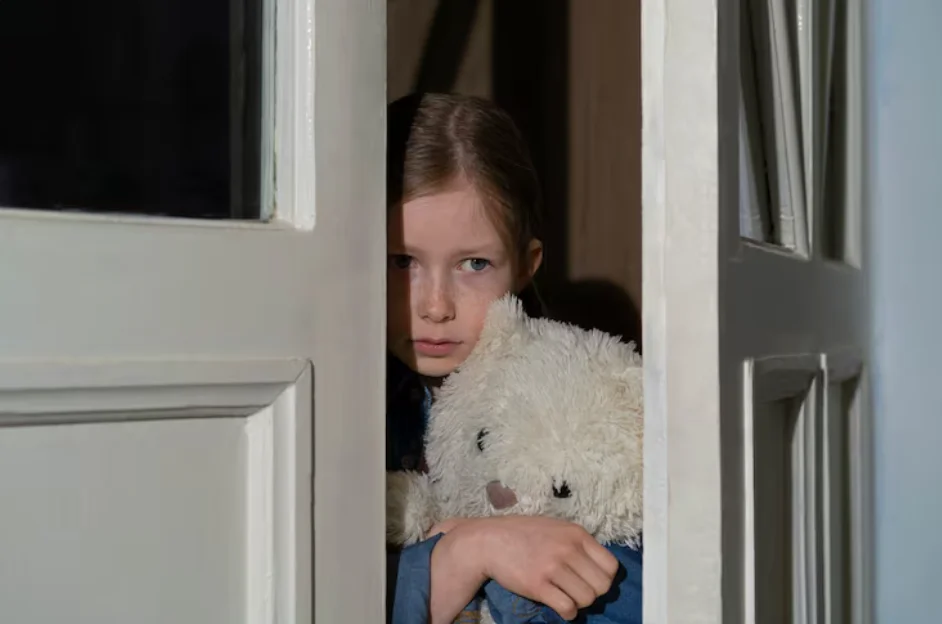
Symptoms of Childhood Trauma in Adulthood
Emotional and Psychological Symptoms
The emotional symptoms of childhood trauma in adulthood can vary widely, but they often share a sense of chronic unease. Many individuals live with deep-seated anxiety or depression without linking it to early experiences. Emotional numbness, overreactions to stress, or constant self-criticism are common.
Some adults with a history of trauma find it hard to feel joy or relaxation. Others swing between emotional extremes, struggling to maintain stability. They might carry guilt for things that weren’t their fault or feel undeserving of happiness.
Common emotional and psychological signs include:
- Persistent sadness, emptiness, or emotional disconnection.
- Difficulty identifying or expressing emotions appropriately.
When trauma is unaddressed, emotions become tangled with past memories, causing people to relive old fears even in safe situations.
Relationship Issues
One of the clearest symptoms of childhood trauma in adulthood is difficulty maintaining healthy relationships. Early attachment wounds can create mistrust, dependency, or emotional withdrawal. People who grew up feeling unloved or unsafe may unconsciously repeat these dynamics as adults.
Some may cling to relationships, fearing abandonment, while others keep a distance to avoid getting hurt. Communication issues, jealousy, or an inability to set boundaries often stem from early emotional deprivation.
These patterns are not signs of weakness but protective mechanisms learned in childhood. Recognizing them is a major step toward healing.
Behavioral and Physical Symptoms
The body often carries the weight of early trauma. People who experienced neglect or abuse may turn to behaviors that offer short-term relief but long-term harm, such as substance use, overeating, or self-isolation. Chronic stress from unresolved trauma also affects physical health.
Many adults report unexplained physical pain, fatigue, or digestive problems. These symptoms can emerge even when medical tests show no clear cause. The body and mind are deeply connected, and emotional pain often manifests physically.
Behavioral indicators can include:
- Difficulty sleeping or frequent nightmares.
- Avoidance of specific places, sounds, or situations that trigger memories.
These patterns show how childhood trauma can influence both psychological and physical well-being.
Cognitive and Thought Patterns
Cognitive symptoms of childhood trauma in adulthood often revolve around negative self-perception. Many survivors develop harsh inner voices, replaying messages they heard as children: “You’re not good enough” or “You don’t deserve love.” These thoughts can become automatic and deeply ingrained.
Some adults struggle with concentration, decision-making, or memory gaps related to traumatic experiences. Constant alertness, known as hypervigilance, keeps the mind on guard even when there is no threat.
Over time, this mental strain can lead to exhaustion, difficulty trusting others, and avoidance of new opportunities. Healing begins when individuals learn to challenge these thoughts and recognize their origins in childhood experiences.
How Childhood Trauma Affects Adult Life
Impact on Professional and Personal Life
Unresolved childhood trauma can quietly influence almost every area of adult life. In professional settings, trauma survivors may struggle with confidence, fear of failure, or difficulty handling criticism. They might overwork themselves to earn approval or, conversely, avoid responsibility due to self-doubt.
In personal life, trauma affects intimacy and trust. Many adults find it challenging to feel safe in relationships, leading to cycles of closeness and withdrawal. Unhealed trauma can also make it hard to recognize healthy partners or friendships.
The Cycle of Trauma
Without intervention, the effects of childhood trauma can continue from one generation to the next. Adults who haven’t processed their pain might unintentionally repeat harmful patterns with their own children or partners. This doesn’t happen out of malice—it’s often a learned response to stress and emotional triggers.
Breaking this cycle begins with awareness. Understanding the symptoms of childhood trauma in adulthood allows people to identify repeating patterns and choose new, healthier responses.
Long-Term Effects
If untreated, trauma can contribute to chronic mental health conditions such as anxiety disorders, depression, and post-traumatic stress. It may also lead to substance abuse or emotional burnout. However, healing is possible. With the right support, the brain and body can relearn safety, trust, and balance.
Healing from Childhood Trauma: Treatment Options
Therapeutic Approaches for Healing
Therapy remains one of the most effective ways to address the symptoms of childhood trauma in adulthood. Different approaches can help, depending on the person’s needs and comfort level.
Cognitive Behavioral Therapy (CBT) helps individuals identify and change distorted thoughts. Eye Movement Desensitization and Reprocessing (EMDR) is another method that helps reprocess traumatic memories in a safer way. Somatic therapies focus on releasing physical tension stored in the body, while trauma-informed therapy integrates emotional and physical awareness.
A therapist experienced in trauma recovery can guide clients in rebuilding self-trust, emotional regulation, and boundaries.
Support Systems
Support networks play a major role in healing. Friends, family, or support groups offer understanding and validation. Being around safe people helps rewire the brain’s response to trust and connection.
For many, trauma healing begins when they no longer feel alone. Peer support groups or online communities provide spaces where people can share their experiences without judgment.
Support systems can include:
- Trusted friends who offer empathy rather than advice.
- Support groups that focus on trauma recovery and coping skills.
Medication
In some cases, medication can help reduce symptoms of anxiety, depression, or insomnia that stem from trauma. While medication doesn’t erase memories or emotional pain, it can stabilize mood and make therapy more effective.
Doctors may prescribe antidepressants, anti-anxiety medication, or sleep aids for short-term relief while therapy addresses the deeper causes. It’s always best to combine medication with psychological support for balanced recovery.
Holistic and Alternative Therapies
Beyond traditional therapy, many people benefit from holistic methods that calm the nervous system. Practices like meditation, yoga, or breathwork can help reconnect the mind and body. These methods teach awareness of physical sensations, which helps regulate emotional responses.
Art, music, and journaling are also effective tools for processing emotions. They allow people to express feelings that words can’t capture, helping release stored tension and grief.
Healing from trauma doesn’t follow a single formula. It’s a gradual process that involves patience, self-compassion, and professional support.

The Importance of Early Intervention and Support
Recognizing the Signs of Trauma Early
Understanding the types of childhood trauma and their consequences can help people identify early warning signs. Emotional neglect, bullying, loss, or witnessing conflict can all affect development. Recognizing trauma early allows intervention before patterns deepen.
When caregivers or teachers notice signs of childhood trauma—withdrawal, aggression, or sudden changes in behavior—providing emotional support and professional guidance can make a life-changing difference. Early help can prevent the symptoms of childhood trauma in adulthood from becoming long-term struggles.
Building a Supportive Network
Healing thrives in safe, supportive environments. Building a network of understanding people provides stability and reassurance. These relationships remind survivors that they are worthy of care and respect.
Therapy, community centers, or faith-based groups can offer connection for those who lack family support. Encouraging communication and reducing shame around trauma helps people rebuild trust in others.
Self-Help Strategies
Healing doesn’t only happen in therapy. Daily habits that promote mental and emotional balance also make a difference. Maintaining structure, eating well, and getting enough sleep support recovery. Writing about experiences or practicing mindfulness helps process emotions in manageable ways.
Simple self-help strategies include:
- Setting boundaries to avoid emotional exhaustion.
- Engaging in hobbies or physical activity to release tension.
Self-compassion is the foundation of every recovery effort. Treating yourself with kindness, rather than self-blame, rewires how you respond to pain.
Conclusion: Healing Is Possible
The symptoms of childhood trauma in adulthood can touch every part of life—relationships, health, and self-esteem—but they don’t have to define the future. Understanding what childhood trauma is and how it affects the adult mind allows people to face their experiences with awareness and strength.
With therapy, medication, and supportive relationships, individuals can begin to heal the wounds left by the past. Recognizing the signs of childhood trauma is not a sign of weakness—it’s an act of courage.
Whether through professional help, self-care, or community support, recovery is always possible.
Childhood trauma may shape the beginning of your story, but with time and healing, it does not have to decide how it ends.