

Millions of people around the world suffer from depression, and for many, traditional treatments like medication and psychotherapy can offer only limited relief. As a result, alternative options are being explored, and one of the most promising is Transcranial Magnetic Stimulation (TMS). If you’re considering this option, it’s important to understand how it works, its potential benefits, and any challenges it might present. This article will help you make an informed decision about whether TMS could be the right choice for your mental health journey.
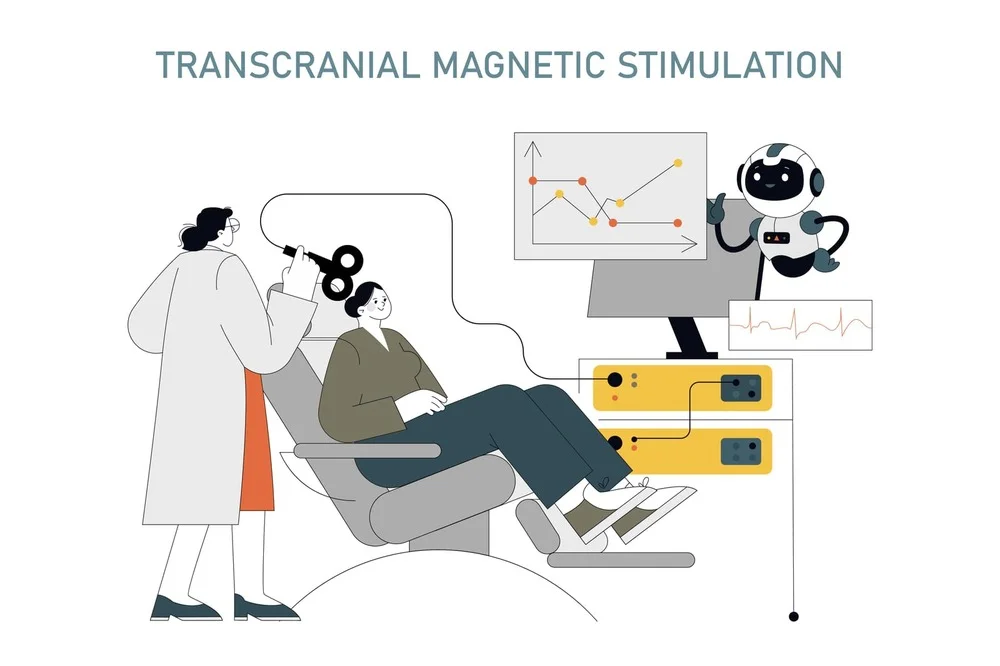
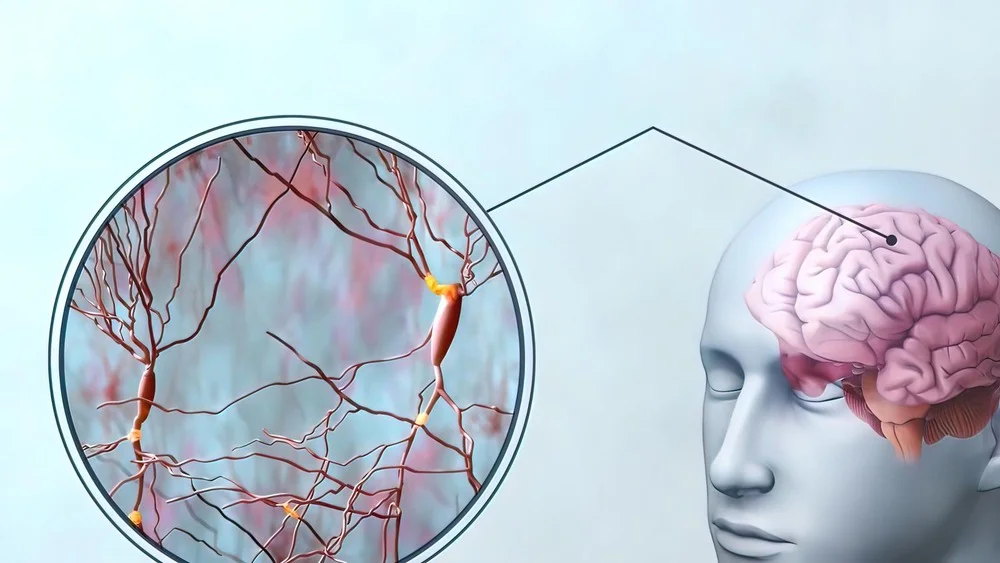
Transcranial Magnetic Stimulation (TMS) is a non-invasive treatment that uses magnetic pulses to stimulate certain areas of the brain involved in mood regulation. The goal of TMS is to restore balance to these brain regions, which may help alleviate symptoms of depression.
The procedure involves placing a magnetic coil near the scalp, typically on the forehead. This coil emits pulses that penetrate the skull and stimulate the brain cells in specific regions linked to mood regulation. The magnetic pulses are thought to increase the activity of these brain cells, potentially improving mood and alleviating depressive symptoms.
TMS is FDA-approved and is primarily recommended for individuals whose depression has not responded well to traditional treatments, including medication and psychotherapy. It’s typically performed as an outpatient procedure, and patients are awake throughout the process. Sessions usually last around 30 to 40 minutes, with no need for anesthesia.
Benefits of TMS
Effectiveness for Depression
For many individuals, TMS offers a ray of hope when other treatments have not worked. Research indicates that it can help reduce symptoms in those struggling with treatment-resistant depression. By targeting specific areas of the brain, TMS can bring about a meaningful improvement in mood regulation for many patients. It offers a promising alternative when medications are ineffective or produce undesirable side effects.
Non-Invasive with Minimal Discomfort
One of the key advantages of this treatment is that it’s non-invasive. There are no cuts, injections, or anesthesia involved. The procedure is simple and quick, and most patients report only mild discomfort, such as a tingling sensation on the scalp. This makes TMS an appealing choice for those who are wary of more invasive procedures like electroconvulsive therapy (ECT).
Unlike medications, which often come with a variety of side effects, TMS tends to have far fewer. Common side effects are typically mild, such as temporary headaches or scalp discomfort, which usually subside shortly after the session.
Short Recovery Time
Another appealing feature of TMS is the quick recovery time. Unlike other treatments that may require days or weeks of rest, patients undergoing TMS can resume their normal activities immediately after each session. This makes it particularly convenient for people who are busy with work, school, or family responsibilities and cannot afford significant downtime.
Potential for Long-Term Relief
While many therapies offer short-term benefits, TMS may provide lasting relief. After completing a course of treatment, some individuals experience improvements in mood that extend for several months or even longer. This long-term benefit can reduce the need for ongoing treatments or medications and may provide patients with the stability they need to maintain a balanced life.
Challenges to Consider
1. Cost and Availability
One of the major challenges associated with TMS is the cost. While it’s highly effective for many patients, the treatment can be expensive, particularly since it often requires multiple sessions over several weeks. Additionally, not all insurance plans cover TMS, making it an out-of-pocket expense for many people.
Access to treatment can also be an issue. Depending on where you live, there may be limited providers offering this treatment, especially in rural or underserved areas. In these cases, patients may have to travel long distances or face long wait times to begin their treatment.
2. Mild Side Effects
Though TMS is generally well-tolerated, there are some potential side effects to be aware of. In addition to minor discomfort at the treatment site and occasional headaches, there’s a slight risk of more serious side effects such as seizures. However, seizures are extremely rare, and healthcare providers screen patients thoroughly to ensure that they are candidates for this treatment. For the most part, the side effects tend to be temporary and manageable.
3. Not for Everyone
TMS is not suitable for everyone. Individuals with certain medical conditions, such as those with implanted medical devices (e.g., pacemakers or defibrillators), may not be eligible for treatment due to the magnetic pulses potentially interfering with the devices. Pregnant women and those with a history of seizures are also typically advised against TMS.
Before beginning TMS, it’s important to undergo a thorough medical evaluation to determine whether this treatment is safe and appropriate for you.
4. Time Commitment
TMS treatment requires a significant time investment. Although each session only lasts 30 to 40 minutes, patients typically need to attend daily sessions for several weeks—usually 4 to 6 weeks in total. Finding the time to attend daily sessions may be challenging for individuals with busy schedules or other commitments. While the procedure itself is quick, the overall time commitment can be a hurdle for some.
Is TMS Right for You?
If you’re considering TMS for your depression treatment, it’s essential to consult with your healthcare provider to assess whether it’s appropriate for your situation. Your doctor will consider factors such as your medical history, the severity of your condition, and whether you’ve tried other treatments without success. They will also help you weigh the potential benefits against the challenges associated with the treatment.
It’s also helpful to consider your personal preferences. Are you comfortable with the idea of non-invasive treatment, or would you prefer a different approach? Additionally, think about the cost and availability of TMS in your area, as well as the time commitment involved in attending daily sessions over several weeks.
Final Thoughts
In the end, deciding whether to pursue TMS treatment is a personal decision that requires careful consideration. For many individuals with depression, it offers a promising alternative when other therapies have failed. While the treatment has proven effective for many, it’s important to weigh the potential benefits and challenges before committing.
Consulting with your healthcare provider is the best way to determine if this option is right for you. With the guidance of a medical professional, you can make an informed decision based on your unique needs, lifestyle, and treatment goals. If you’re considering TMS, take the time to learn more about the procedure, understand the potential challenges, and discuss your options with a professional to find the best solution for your mental health.