

According to the 2023 National Survey on Drug Use and Health, Substance Abuse and Mental Health Services Administration, July 2024, an estimated 30.5 million U.S. adults, or 12.0% of the adult population, reported having had a substance use problem at some point in their lives. Behind that number are people who have tried detox, rehab, twelve-step programs, and therapy, and are still fighting cravings that don’t seem to loosen their grip.
If you’re exploring what else might help, you may have come across TMS for addiction in your research. TMS for addiction, or Transcranial Magnetic Stimulation, is a non-invasive treatment that uses magnetic pulses to target brain regions involved in craving, impulse control, and reward processing, offering a tool that works alongside, not instead of, traditional addiction treatment.
This article explains how TMS and addiction recovery connect, what the treatment process looks like, who it may help, and the honest limitations worth knowing before you start.
What Is TMS For Addiction And How Does It Work?
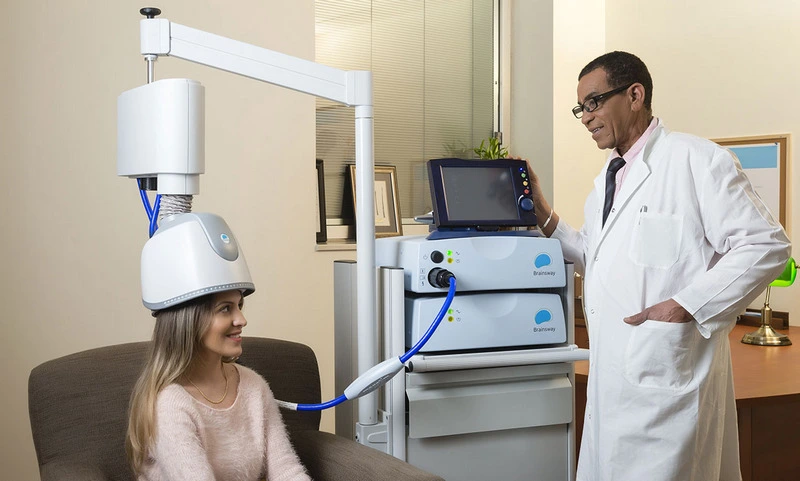
TMS addiction treatment delivers repeated magnetic pulses through a coil placed against the scalp, most often targeting the prefrontal cortex and areas of the brain’s reward circuitry. These regions play a major role in cravings, impulse control, and the compulsive patterns that make addiction so difficult to interrupt on willpower alone.
Unlike medication-assisted treatment, TMS therapy for addiction does not introduce a new substance into the body, and unlike inpatient detox, it requires no sedation or hospital stay. Providers typically use TMS addiction treatment as a complement to counseling, group support, and medical care, not as a standalone replacement for the full continuum of addiction treatment.
Why Cravings Respond To Brain Stimulation
Addiction changes how the brain’s reward system responds to substances, often weakening activity in the prefrontal cortex, the area responsible for judgment and impulse control. Stimulating this region with TMS may help restore some of that regulatory function, which is one reason researchers are studying whether TMS works for addiction across substances like nicotine, alcohol, and stimulants. Early results are promising, but this remains an evolving area of psychiatric research.
How TMS And Addiction Treatment Fit With Co-Occurring Conditions
Many people struggling with substance use also live with depression, anxiety, or trauma, and TMS is already FDA-cleared for depression and OCD. This overlap matters, since treating an underlying mood disorder with TMS may reduce some of the emotional triggers that fuel substance use. Providers often evaluate the full clinical picture before recommending TMS treatment for addiction specifically.
What Does TMS Addiction Treatment Involve?
A typical TMS session runs 20 to 40 minutes, with a full course often spanning several weeks of consistent visits. Here is what the process generally looks like.
- Complete a full clinical evaluation. Your provider reviews your substance use history, mental health background, and current treatment plan to determine if TMS therapy for addiction fits your situation.
- Undergo motor threshold calibration. During your first session, the provider measures the exact pulse intensity your brain requires, which personalizes your treatment from day one.
- Attend scheduled sessions. You sit comfortably while the coil delivers a tapping, clicking pattern of pulses to the targeted brain region, staying awake and alert throughout.
- Continue your existing recovery supports. TMS addiction treatment works best paired with counseling, group therapy, or medical support, not in place of them.
- Review progress regularly. Providers track changes in cravings, mood, and mental health symptoms to adjust your plan as needed.
What A Session Feels Like
Most patients describe a light tapping sensation on the scalp rather than pain, and there is no sedation involved at any point. You can drive yourself to and from appointments and return to your normal routine immediately after each session, which makes it easier to stay consistent with a demanding treatment schedule.
What Are The Potential Benefits Of TMS For Addiction?
People asking “does TMS work for addiction” usually want a straight answer about what it can realistically offer. Here’s what current understanding points to.
- No added substances. TMS does not introduce medication into the bloodstream, which appeals to people who want to avoid additional pharmaceutical exposure during recovery.
- Targets brain regions tied to cravings. By stimulating the prefrontal cortex, TMS may help strengthen the brain’s capacity for impulse control over time.
- Supports co-occurring mental health conditions. Since TMS is FDA-cleared for depression and OCD, it may ease symptoms that often accompany and worsen substance use struggles.
- Minimal downtime. Sessions fit around work, family, and other recovery commitments without requiring recovery time afterward.
- A promising complement to established care. Research published by the National Center for Biotechnology Information continues to explore how non-invasive brain stimulation techniques like TMS support treatment for conditions involving impulse regulation.
TMS for addiction is not a replacement for detox, counseling, or medical support, but a growing body of research suggests it may strengthen the brain’s ability to resist cravings when used alongside them. If depression is also part of your picture, our guide to TMS vs. Spravato for depression covers how these treatments compare.
What Are The Risks And Limitations Of TMS Addiction Treatment?
Being honest about limitations matters more here than anywhere else, since recovery decisions carry real weight.
| Consideration | What It Means For You |
| Evidence is still developing | TMS for substance use disorders has less long-term data than TMS for depression or OCD |
| Not a standalone treatment | Providers recommend it alongside counseling and medical support, not instead of them |
| Time commitment | Consistent sessions over weeks require real scheduling flexibility |
| Eligibility | Certain metal implants or a seizure history may rule out candidacy |
| Insurance coverage varies | Addiction-specific TMS treatment may not be covered the same way as depression treatment |
TMS and addiction research is advancing quickly, but it has not replaced established, evidence-based addiction treatment. If you are also managing anxiety alongside substance use, our article on TMS for anxiety may offer additional context.
The Bottom Line On TMS For Addiction
TMS for addiction offers a non-invasive option that may support recovery by targeting the brain circuits tied to cravings and impulse control, especially for people managing co-occurring depression or OCD alongside substance use. It works best as one part of a broader recovery plan, not a shortcut that skips counseling or medical support.
If you’re curious whether TMS treatment for addiction could fit into your recovery plan, the right next step is an honest conversation with a provider who understands your full history.
Wondering if TMS could support your recovery plan? Book a free consultation with our team today.
Frequently Asked Questions
Does TMS work for addiction?
Research on TMS for substance use disorders is still developing, but early studies suggest it may help reduce cravings by targeting brain regions involved in impulse control. It is generally used alongside, not instead of, established addiction treatment.
How is TMS for addiction different from TMS for depression?
The treatment technology is the same, but TMS for addiction often targets brain regions tied to cravings and reward, while depression treatment focuses on mood-regulating areas. Many patients with co-occurring conditions may benefit from both goals within one treatment plan.
How many TMS sessions are needed for addiction treatment?
Session counts vary by provider and individual needs, often following protocols similar to depression treatment of several weeks. Your provider will outline a specific plan based on your evaluation.
Is TMS addiction treatment covered by insurance?
Coverage varies more for addiction-specific TMS than for FDA-cleared depression treatment, so it’s important to confirm with your insurer directly. Your provider’s office can often help you check your specific benefits.
What side effects come with TMS for addiction?
The most common side effects are mild headache or scalp discomfort, both of which usually resolve within a few hours. Serious side effects like seizures are rare and closely monitored by clinical staff.